
Sep 30, 2026
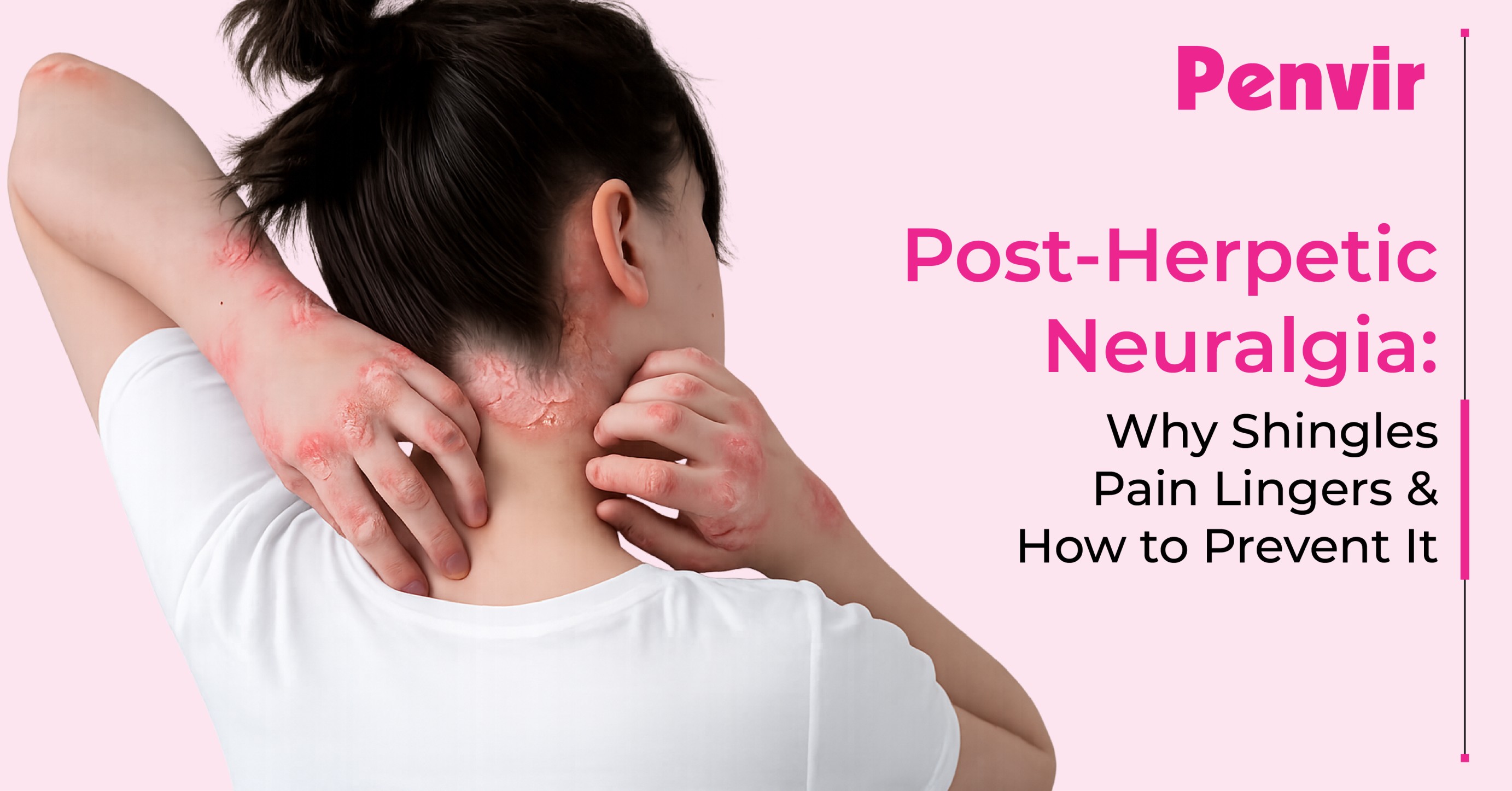
For many people, shingles appears to be a temporary illness that resolves once the rash heals. However, for some individuals, the pain continues long after the blisters have disappeared. This persistent nerve pain is known as Post-Herpetic Neuralgia (PHN), one of the most common and challenging complications of shingles.
PHN can significantly affect daily life, making simple activities such as getting dressed, sleeping, or even feeling a light touch on the skin uncomfortable. The condition is particularly common among older adults and individuals who experience severe shingles outbreaks.
The good news is that early recognition and prompt treatment of shingles may help reduce the risk of developing long-term nerve pain. Understanding the connection between shingles and PHN is an important step toward better prevention and management.
In this article, we'll explore what post-herpetic neuralgia is, why shingles pain can linger, how long it may last, and the role of antiviral treatment in reducing complications.
Post-herpetic neuralgia (PHN) is persistent nerve pain that continues after a shingles rash has healed. It occurs when the Varicella-Zoster Virus (VZV) damages or irritates nerve fibres during a shingles infection, causing abnormal pain signals to continue even after the skin has recovered.
PHN is considered the most common long-term complication of shingles.
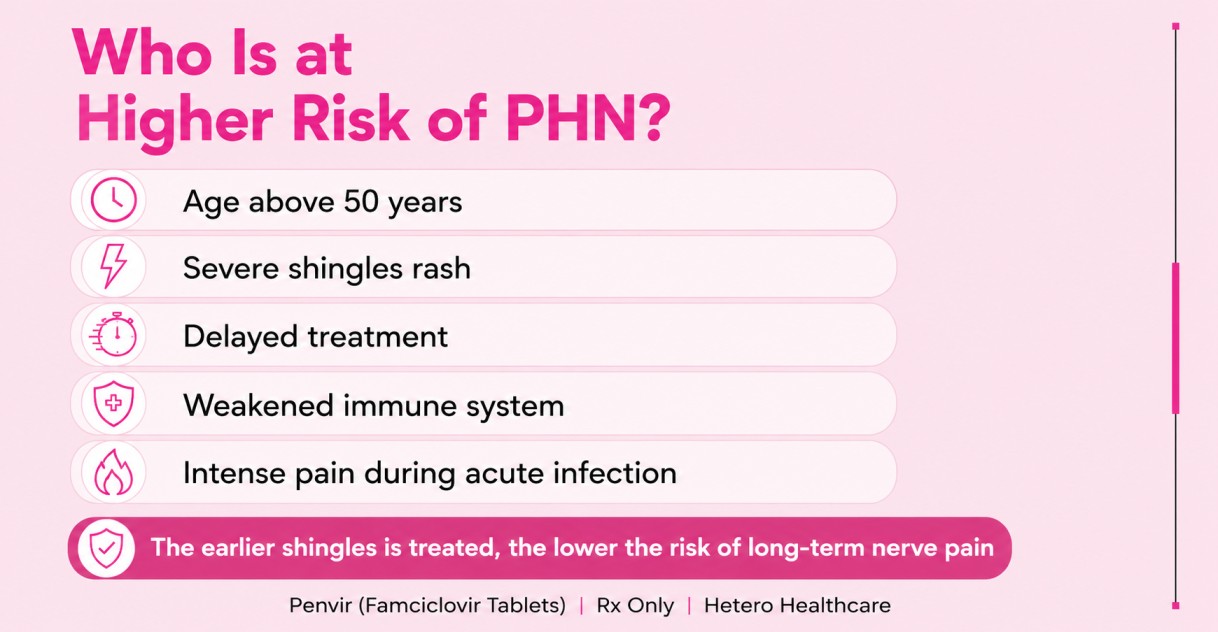
While most people recover from shingles without long-lasting problems, the risk of PHN increases with
Older adults are generally more vulnerable because ageing can affect nerve repair and immune response.
Shingles develops when the dormant Varicella-Zoster Virus reactivates within nerve tissue years after a person has had chickenpox.
As the virus multiplies, it can cause inflammation and damage to affected nerves.
This nerve injury may lead to
Even after the skin lesions disappear, damaged nerves may continue sending pain signals to the brain.
Not everyone with shingles develops PHN.
Researchers believe that the severity of nerve inflammation, age-related nerve vulnerability, and delayed treatment may influence whether long-term pain develops.
The earlier shingles is recognised and treated, the greater the opportunity to reduce viral activity and nerve damage.
People with PHN may experience
The discomfort usually occurs in the same area where the shingles rash originally appeared.
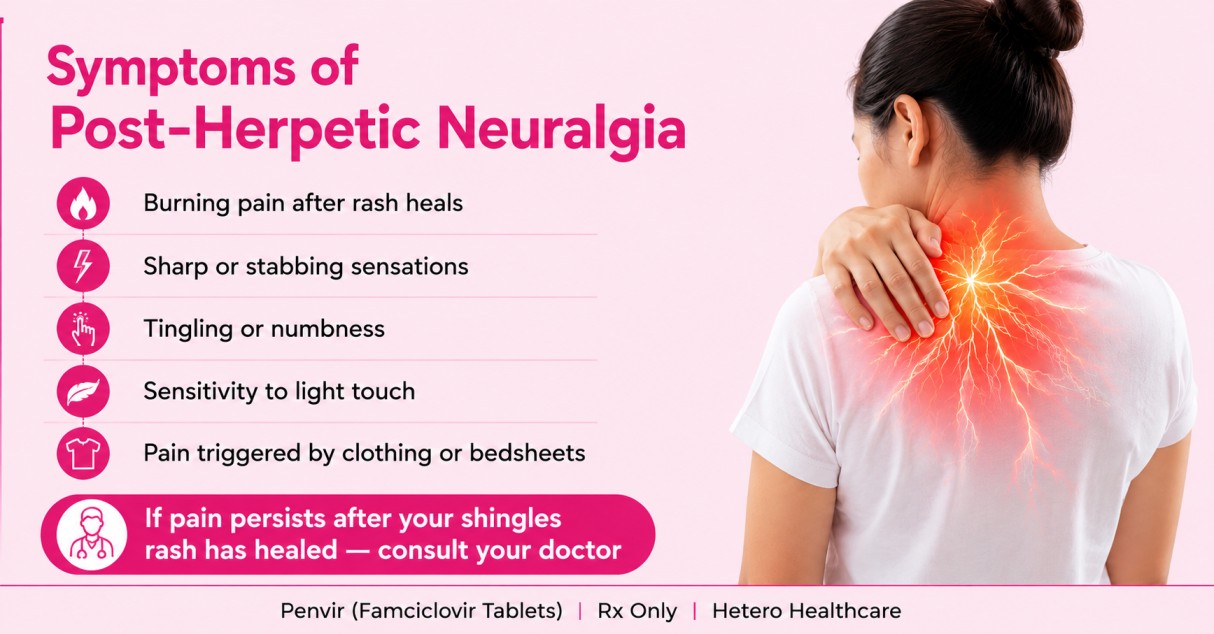
For some individuals, even mild stimulation may trigger discomfort.
Common examples include
These symptoms can affect sleep, mood, and quality of life.
For most people
However, in PHN
Healthcare professionals generally consider pain to be post-herpetic neuralgia when it persists for at least several weeks or months after the shingles rash has healed.
The diagnosis is based on clinical evaluation and symptom history.
One of the most important strategies for reducing PHN risk is prompt treatment of shingles.
Medical guidelines generally recommend starting antiviral therapy as soon as possible, ideally within 72 hours of rash onset.
Early treatment may help
The virus is most active during the early stages of infection.
Starting treatment during this period allows antiviral medicines to work more effectively against viral replication, potentially reducing the extent of nerve injury.
Antiviral medicines are a key component of shingles management.
Commonly prescribed options include
These medicines are designed to inhibit viral replication and are generally most beneficial when initiated promptly after symptom onset.
Depending on individual circumstances, healthcare professionals may recommend
Treatment plans should always be guided by a qualified healthcare provider.
Famciclovir is an antiviral medication used in the treatment of shingles.
After administration, it is converted into an active antiviral compound that helps inhibit the replication of the Varicella-Zoster Virus.
By reducing viral activity early in the course of infection, antiviral therapy may help limit tissue damage and support recovery.
Famciclovir is widely used in the management of Herpes Zoster under medical supervision.
Products such as Penvir contain famciclovir and may be prescribed by healthcare professionals when appropriate for the treatment of shingles. Penvir is a prescription medicine and should be used only under the guidance of a qualified healthcare professional.
Patients should always follow the treatment instructions provided by their healthcare professional.
Not usually. Many people experience gradual improvement over time, although recovery can vary considerably between individuals.
No. Most individuals recover without persistent nerve pain, but the risk increases with age and severe disease.
Evidence suggests that prompt antiviral therapy may help reduce disease severity and may contribute to lowering the risk of prolonged nerve pain.
Yes. Adults over 50 years of age generally have a higher risk of developing post-herpetic neuralgia.
PHN occurs when shingles-related inflammation damages nerves, causing pain signals to continue after the rash has healed.
The duration varies. Some people recover within weeks or months, while others may experience symptoms for longer periods.
Prompt diagnosis and early antiviral treatment may help reduce the risk of long-term complications such as PHN.
Healthcare professionals generally recommend initiating antiviral treatment within 72 hours of rash onset whenever possible.
Yes. Famciclovir is a commonly prescribed antiviral medication used in the treatment of Herpes Zoster under medical supervision.
Although the shingles rash may heal within a few weeks, the effects on the nervous system can sometimes last much longer. Post-herpetic neuralgia remains one of the most significant complications of Herpes Zoster, particularly among older adults and those with severe infections.
Understanding the warning signs of shingles, seeking medical care early, and starting appropriate antiviral treatment promptly may help reduce the risk of persistent nerve pain. The sooner shingles is recognised and managed, the greater the opportunity to minimise complications and support recovery.
If you develop symptoms suggestive of shingles, consult a qualified healthcare professional without delay. Early action is one of the most important steps in protecting long-term nerve health.
Medical Disclaimer: This content is intended for educational purposes only and should not be considered medical advice, diagnosis, or treatment. Always consult a qualified healthcare professional regarding symptoms, medications, and healthcare decisions.
Hello Aravind Useing Sticky Here Testing scroll
Hello Aravind Useing Sticky Here Testing scroll
Hello Aravind Useing Sticky Here Testing scroll
Hello Aravind Useing Sticky Here Testing scroll
Hello Aravind Useing Sticky Here Testing scroll
Hello Aravind Useing Sticky Here Testing scroll
Hello Aravind Useing Sticky Here Testing scroll
Hello Aravind Useing Sticky Here Testing scroll
Hello Aravind Useing Sticky Here Testing scroll
Hello Aravind Useing Sticky Here Testing scroll
Hello Aravind Useing Sticky Here Testing scroll
Hello Aravind Useing Sticky Here Testing scroll
Hello Aravind Useing Sticky Here Testing scroll
Hello Aravind Useing Sticky Here Testing scroll
Hello Aravind Useing Sticky Here Testing scroll
Hello Aravind Useing Sticky Here Testing scroll
Hello Aravind Useing Sticky Here Testing scroll
Hello Aravind Useing Sticky Here Testing scroll
Hello Aravind Useing Sticky Here Testing scroll
Hello Aravind Useing Sticky Here Testing scroll
Hello Aravind Useing Sticky Here Testing scroll
Hello Aravind Useing Sticky Here Testing scroll
Hello Aravind Useing Sticky Here Testing scroll
Hello Aravind Useing Sticky Here Testing scroll
Hello Aravind Useing Sticky Here Testing scroll
Hello Aravind Useing Sticky Here Testing scroll
Hello Aravind Useing Sticky Here Testing scroll
Hello Aravind Useing Sticky Here Testing scroll
Hello Aravind Useing Sticky Here Testing scroll
Hello Aravind Useing Sticky Here Testing scroll

Penvir® (famciclovir) is a prescription medicine and should only be used on the advice of a registered medical practitioner. Do not self-medicate or share the medicine with others.