
Sep 29, 2026
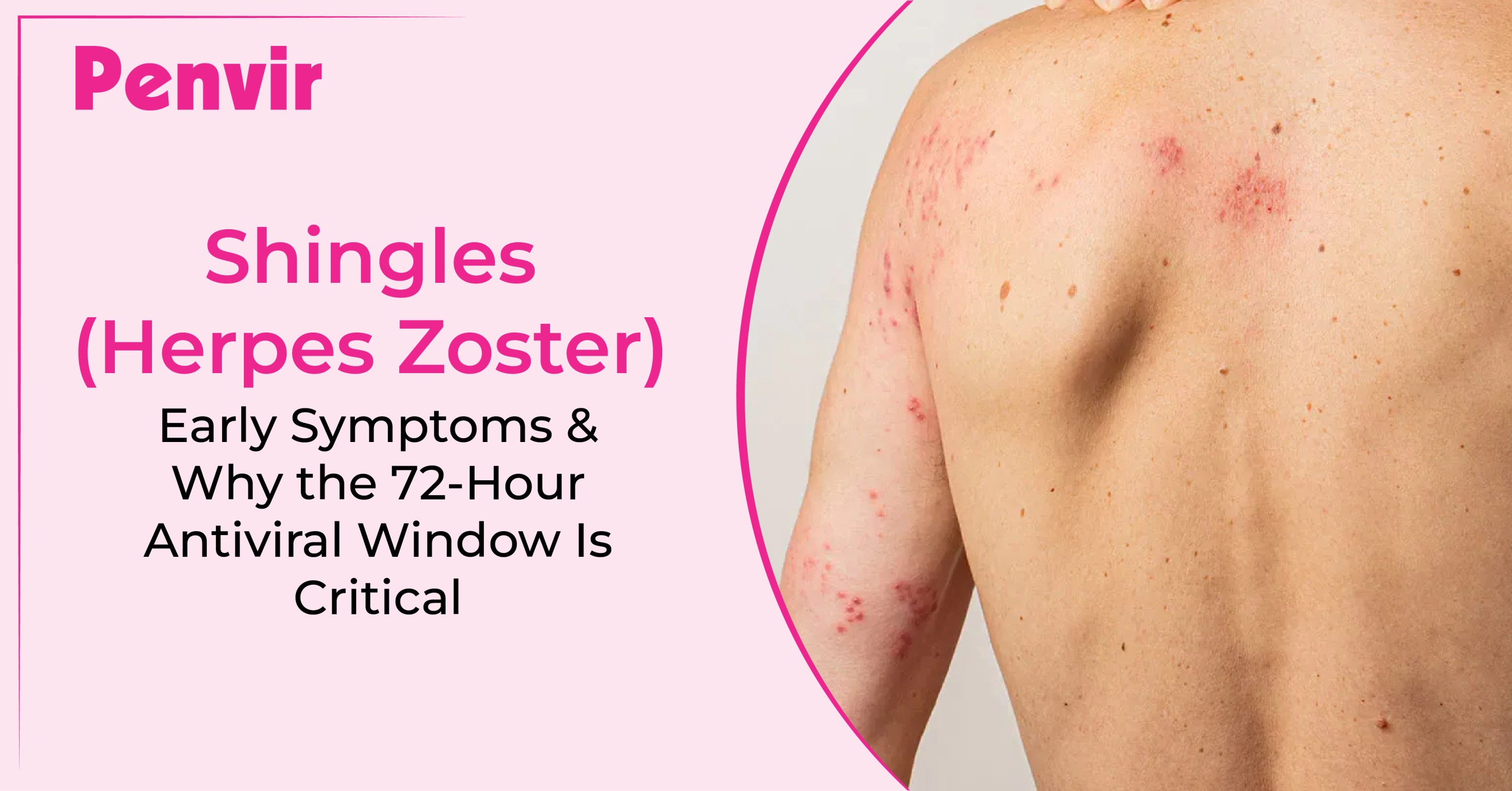
Many people associate shingles with a painful skin rash, but the condition often begins days before any visible rash appears. Recognising these early warning signs can make a significant difference because antiviral treatment is generally most effective when started within the first 72 hours of rash onset.
Shingles, medically known as Herpes Zoster, affects millions of people worldwide and can lead to serious complications if not managed promptly. In India, awareness about early symptoms and timely treatment remains essential, particularly among older adults and individuals with weakened immune systems.
This article explains the early signs of shingles, the stages of the rash, why the 72-hour antiviral window is important, and how timely treatment may help reduce the risk of complications such as post-herpetic neuralgia.
Shingles is a viral infection caused by the reactivation of the Varicella-Zoster Virus (VZV), the same virus responsible for chickenpox.
After a person recovers from chickenpox, the virus remains dormant in nerve tissues. Years or even decades later, it can reactivate and cause shingles.
Certain factors may increase the risk of developing shingles
Although shingles can occur at any age, the risk increases significantly with advancing age.
The earliest symptoms of shingles often appear before the rash develops and may include burning pain, tingling, itching, numbness, or unusual sensitivity on one side of the body or face. Some individuals may also experience fatigue, headache, or mild fever.
Recognising these symptoms can help individuals seek medical attention promptly.
One of the hallmark features of shingles is nerve-related pain.
People may experience
These symptoms typically occur on one side of the body and follow the path of an affected nerve.
Before the rash appears, some individuals may also develop
Because these symptoms are non-specific, shingles may initially be mistaken for other illnesses.
Within a few days of nerve pain or tingling, the affected area may become
Small clusters of bumps may begin to develop.
Fluid-filled blisters usually appear in a band-like pattern on one side of the body.
Common locations include
The rash rarely crosses the body's midline.
After several days
Most cases resolve within 2–4 weeks, although nerve pain may persist longer in some individuals.
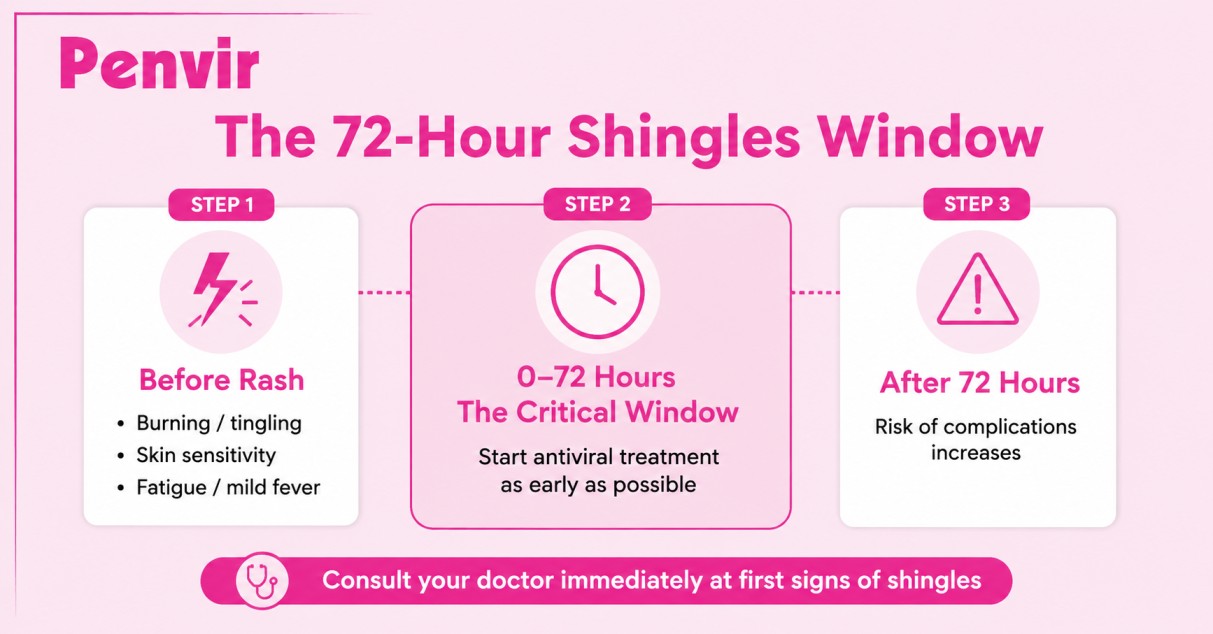
Healthcare professionals generally recommend initiating antiviral therapy as soon as possible, ideally within 72 hours of rash onset.
This period is often referred to as the "72-hour antiviral window."
Starting antiviral treatment promptly may help
The greatest benefit is usually seen when treatment begins early in the course of the infection.
The primary goals of treatment are to
Common antiviral medications used in shingles management include
These medicines work by inhibiting viral replication and are most effective when started promptly after symptom onset.
Depending on symptom severity, healthcare providers may recommend
Treatment plans should always be individualised based on patient needs and medical history.
Famciclovir belongs to a class of medicines known as antiviral agents.
After administration, it is converted into its active form within the body, where it helps inhibit the replication of the Varicella-Zoster Virus.
By slowing viral multiplication, antiviral therapy may help reduce disease severity and support recovery when initiated early.
Famciclovir is widely prescribed for the treatment of Herpes Zoster in eligible patients under medical supervision.
Branded formulations such as Penvir contain famciclovir and may be prescribed by healthcare professionals as part of a shingles treatment plan when clinically appropriate. Penvir is a prescription medicine and should be used only under the guidance of a qualified healthcare professional.
Patients should always follow the treatment instructions provided by their healthcare professional.
Post-herpetic neuralgia (PHN) is one of the most common complications of shingles.
It occurs when nerve pain persists after the skin rash has healed.
Symptoms may include
Research suggests that prompt antiviral treatment may help reduce the severity and duration of shingles, which may contribute to lowering the risk of long-term complications such as PHN in some patients.
However, outcomes vary among individuals.
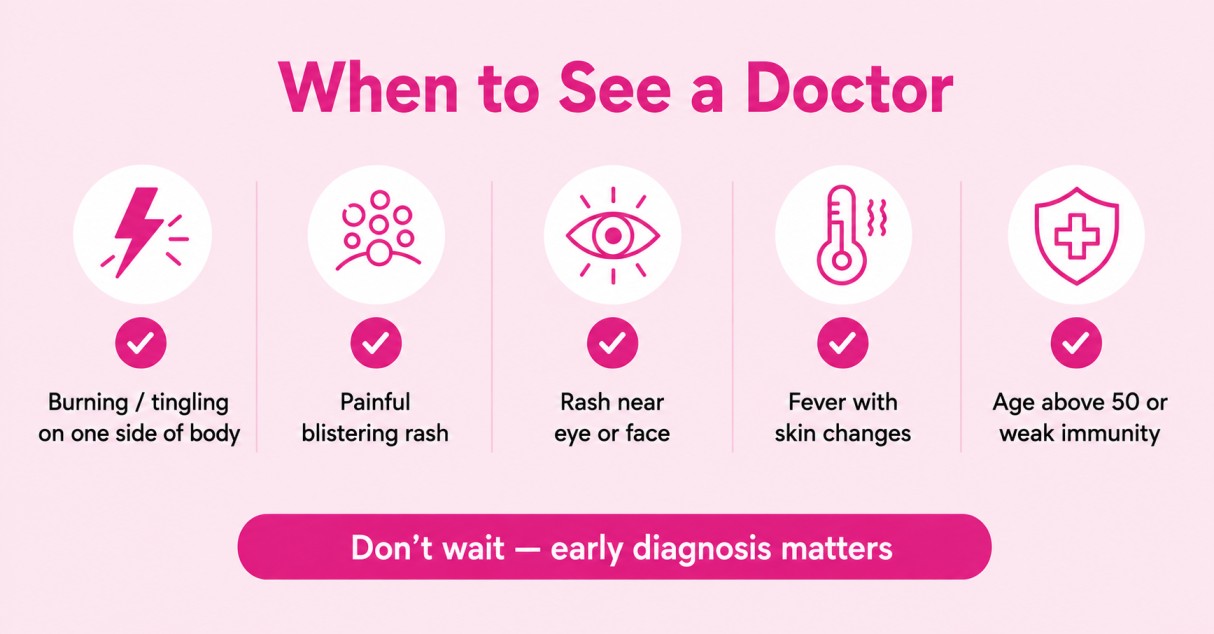
Prompt medical evaluation is recommended if you experience
Early diagnosis provides the best opportunity for timely treatment.
A person with shingles cannot directly transmit shingles to another individual. However, the Varicella-Zoster Virus can spread to someone who has never had chickenpox or been vaccinated, potentially causing chickenpox.
Yes. Although uncommon, some individuals may experience recurrent episodes of shingles.
The rash generally heals within 2-4 weeks, although nerve-related symptoms may persist longer in some cases.
Yes. The risk of shingles increases with age, particularly after 50 years.
Early symptoms often include tingling, burning pain, itching, numbness, or sensitivity on one side of the body before the rash develops.
Antiviral medications are generally most effective when started within 72 hours of rash onset, helping reduce disease severity and duration.
Shingles occurs when the dormant Varicella-Zoster Virus reactivates after a previous chickenpox infection.
Timely antiviral treatment may help reduce the risk of certain complications, including prolonged pain associated with post-herpetic neuralgia.
Yes. Famciclovir is an antiviral medication commonly prescribed by healthcare professionals for the treatment of Herpes Zoster when clinically appropriate.
Shingles is more than just a skin rash-it is a viral condition that can cause significant pain and long-term complications if not recognised early. Understanding the early symptoms of Herpes Zoster and seeking prompt medical attention can make a meaningful difference in treatment outcomes.
The 72-hour antiviral treatment window remains a critical aspect of shingles management, as early intervention may help reduce symptom severity, support healing, and lower the risk of complications such as post-herpetic neuralgia.
If you notice unusual nerve pain, tingling, or a blistering rash on one side of the body, consult a healthcare professional as soon as possible. Early action is one of the most effective steps in managing shingles successfully.
Medical Disclaimer: This article is intended for educational purposes only and should not be considered medical advice, diagnosis, or treatment. Always consult a qualified healthcare professional regarding symptoms, medications, or treatment decisions.
Hello Aravind Useing Sticky Here Testing scroll
Hello Aravind Useing Sticky Here Testing scroll
Hello Aravind Useing Sticky Here Testing scroll
Hello Aravind Useing Sticky Here Testing scroll
Hello Aravind Useing Sticky Here Testing scroll
Hello Aravind Useing Sticky Here Testing scroll
Hello Aravind Useing Sticky Here Testing scroll
Hello Aravind Useing Sticky Here Testing scroll
Hello Aravind Useing Sticky Here Testing scroll
Hello Aravind Useing Sticky Here Testing scroll
Hello Aravind Useing Sticky Here Testing scroll
Hello Aravind Useing Sticky Here Testing scroll
Hello Aravind Useing Sticky Here Testing scroll
Hello Aravind Useing Sticky Here Testing scroll
Hello Aravind Useing Sticky Here Testing scroll
Hello Aravind Useing Sticky Here Testing scroll
Hello Aravind Useing Sticky Here Testing scroll
Hello Aravind Useing Sticky Here Testing scroll
Hello Aravind Useing Sticky Here Testing scroll
Hello Aravind Useing Sticky Here Testing scroll
Hello Aravind Useing Sticky Here Testing scroll
Hello Aravind Useing Sticky Here Testing scroll
Hello Aravind Useing Sticky Here Testing scroll
Hello Aravind Useing Sticky Here Testing scroll
Hello Aravind Useing Sticky Here Testing scroll
Hello Aravind Useing Sticky Here Testing scroll
Hello Aravind Useing Sticky Here Testing scroll
Hello Aravind Useing Sticky Here Testing scroll
Hello Aravind Useing Sticky Here Testing scroll
Hello Aravind Useing Sticky Here Testing scroll

Penvir® (famciclovir) is a prescription medicine and should only be used on the advice of a registered medical practitioner. Do not self-medicate or share the medicine with others.